
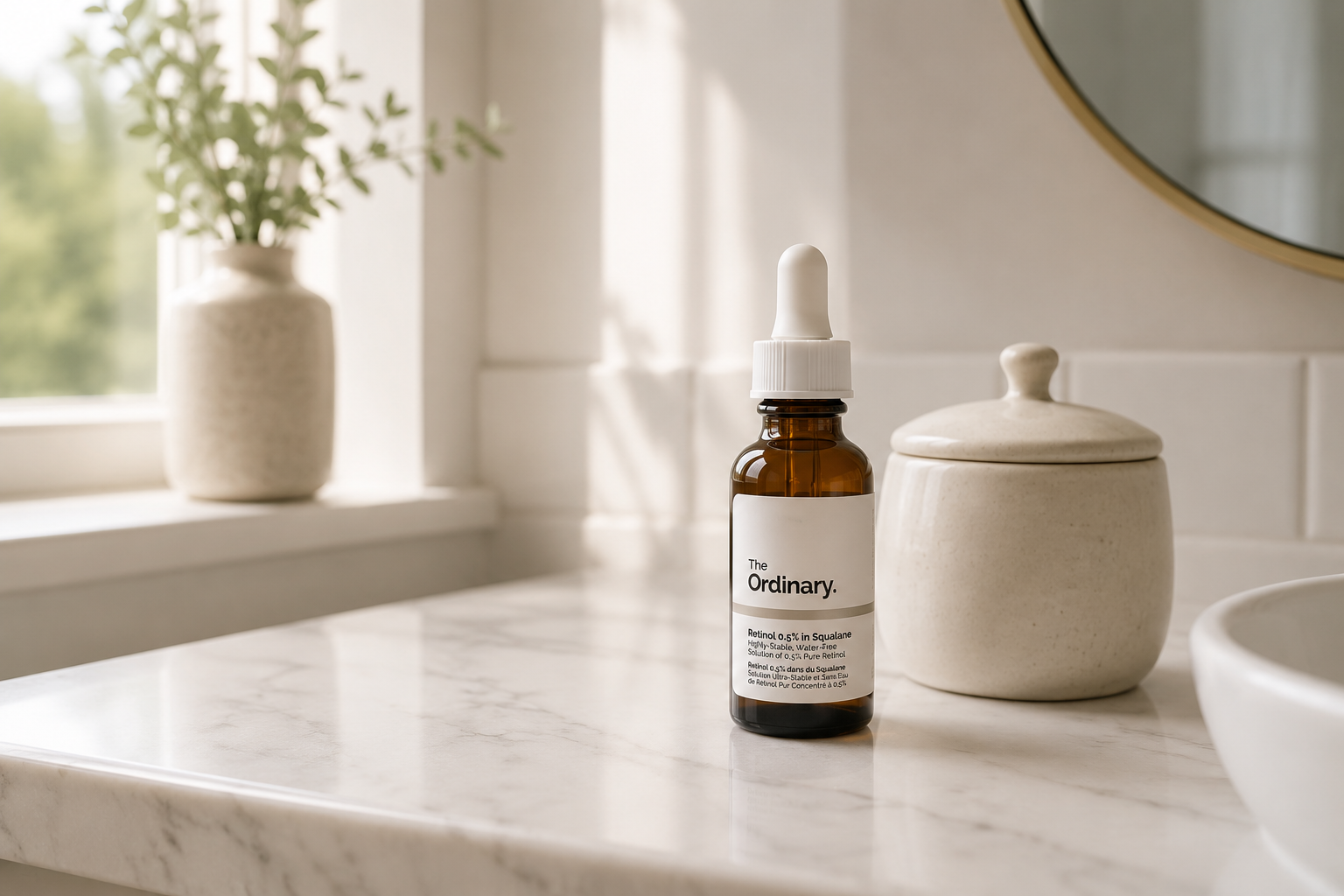
If you are just starting retinol, you have probably heard the hype. It smooths wrinkles, fades dark spots, and transforms your skin. But what nobody tells you is this: retinol side effects beginners experience are completely normal. They are actually a sign that the ingredient is working. Preparation makes all the difference.
Everyone raves about retinol, and for good reason. It is one of the few skincare ingredients with real scientific backing. Studies show it can reduce fine lines, improve skin texture, and boost collagen production. But what nobody warns you about is the adjustment period. The retinization phase can feel discouraging when you do not know what to expect. But they are temporary and manageable.
Common Retinol Side Effects Beginners Experience
Redness, peeling, dryness, and temporary breakouts — often called the “retinol purge” or “retinization.” This happens because retinol speeds up your skin cell turnover rate, pushing clogged pores to the surface and shedding old skin layers faster than usual. The result looks like a breakout, but it is actually your skin clearing itself out from the inside.
How to Minimize Retinol Side Effects Beginners Face
To minimize retinol side effects beginners face, start with a low concentration (0.25% or 0.3%). Apply it only twice a week at first. And always use the sandwich method: moisturizer first, then retinol, then moisturizer again on top. Never skip sunscreen, as retinol makes your skin dramatically more sensitive to UV damage.
Healthline provides a comprehensive guide to retinol side effects for beginners. It explains how to manage them during the adjustment period.
The purge period usually lasts 4-6 weeks. After that, the real results begin to show. Patience is the most important ingredient in any successful retinol routine.
Results Take Time
Beyond the adjustment period, retinol offers some of the most significant anti-aging benefits available in over-the-counter skincare. Clinical studies show that 12 weeks of consistent retinol use can reduce fine lines by up to 30 percent. Skin firmness improves noticeably too. The key is giving your skin enough time to build tolerance. Most dermatologists recommend sticking with retinol for at least three months before judging results. The initial weeks are simply your skin adapting to a faster cell turnover rate. Visible improvement takes time.
Why Reactions Differ
Not everyone experiences retinol side effects the same way. Some people breeze through the adjustment period with minimal irritation, while others find it more challenging. Your skin type, starting concentration, and how often you apply all influence the severity of common reactions when starting retinol. Most appear during the first few weeks of use.
Choosing the right formulation also matters more than most people realize. Retinol is available in serums, creams, and oils, and the delivery system affects both efficacy and irritation potential. Encapsulated retinol, for example, releases the ingredient gradually into the skin. That reduces the intensity of the initial adjustment period while keeping the same anti-aging benefits. If you have sensitive skin, look for products that combine retinol with soothing ingredients like niacinamide or ceramides. These help support your skin barrier during the adjustment period.
Seasonal Adjustments
It is also worth noting that retinol side effects can vary depending on the season. Many women find their skin tolerates retinol better in the cooler months. Humidity is lower, and the skin is naturally less oily. During summer, increased sun exposure and higher temperatures can make the skin more reactive. You may need to scale back to every other night or switch to a lower concentration. Pay attention to how your skin responds to seasonal changes. Adjust your retinol routine proactively rather than waiting for irritation to force a break.
Written by Sarah Chen for March-8.