
Bloating, indigestion, food sensitivities. If these sound familiar after 35, you’re not imagining things. Your digestive system changes with age. Understanding those changes is the first step to feeling better.
What Changes in Your Digestion After 35
For example, stomach acid production declines, making it harder to break down food efficiently. Enzyme production also drops, especially for digesting dairy and fats.
Fiber, Probiotics, and Hydration
Of course, fiber is your digestive system’s best friend. Women need about 25 grams daily. Focus on soluble fiber from oats, apples, and legumes for the most benefit.
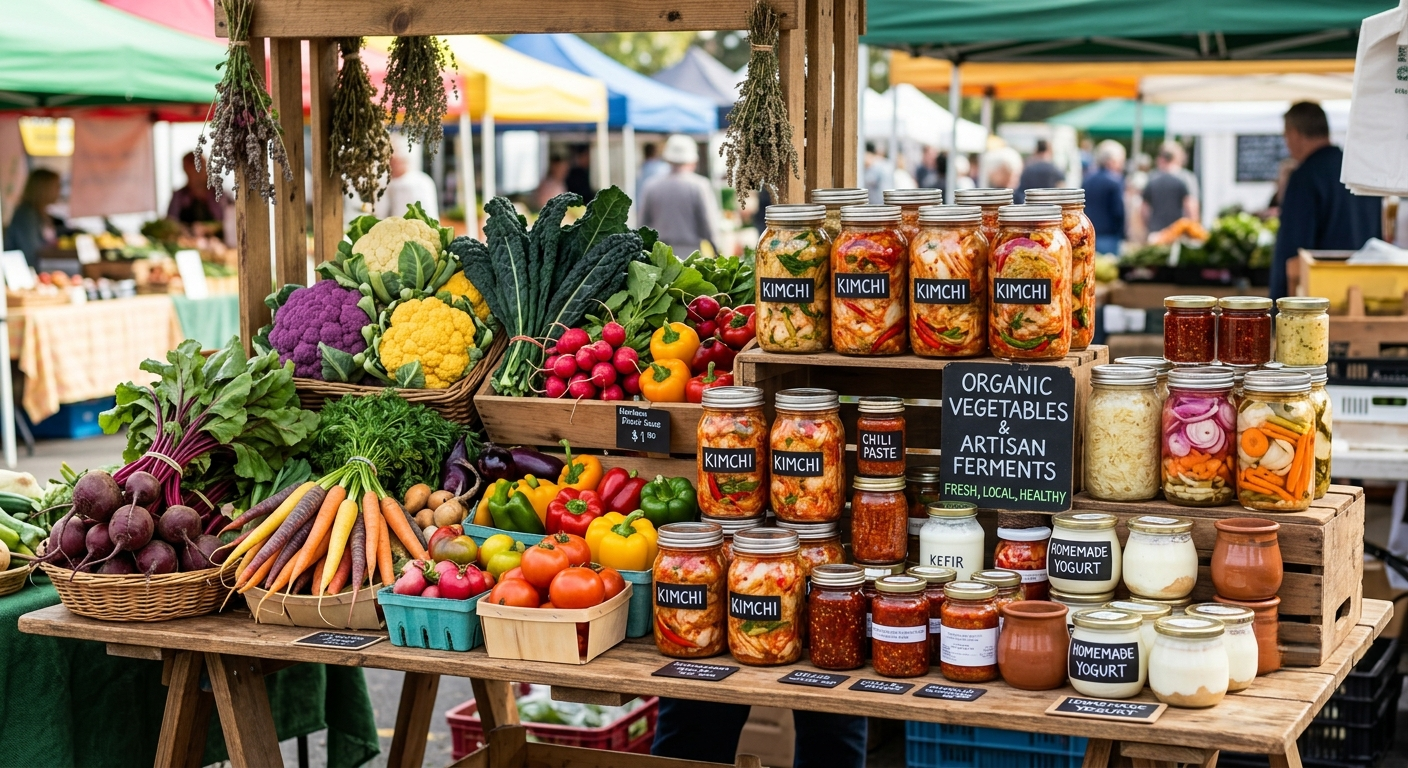
Probiotics and fermented foods also support your gut microbiome. Yogurt, kimchi, sauerkraut, and kombucha introduce beneficial bacteria.
Finally, stay hydrated. Water helps fiber do its job and keeps things moving. Aim for eight glasses daily, and more if you exercise or drink caffeine.
Supporting Digestive Health Women Over 35
Supporting digestive health women over 35 requires a multi-faceted approach. Slower metabolism, hormonal fluctuations, and stress all impact how your digestive system functions. Simple dietary adjustments and stress management techniques can make a significant difference in how you feel daily.
One of the most powerful tools for digestive health women over 35 should know about is the gut-brain axis. The enteric nervous system, often called the “second brain,” lines your digestive tract and communicates directly with your brain via the vagus nerve. This means stress and anxiety can directly cause digestive symptoms like bloating, cramping, and irregular bowel movements. Practices like deep breathing, meditation, and mindful eating activate the parasympathetic nervous system, which puts your body into rest-and-digest mode and significantly improves digestion.
Foods and Eating Habits That Help
Specific foods can also make a meaningful difference in gut health after 35 35. Bone broth provides collagen and gelatin that support the gut lining. Ginger and peppermint soothe the digestive tract and reduce bloating. Fermented vegetables like sauerkraut and kimchi deliver beneficial probiotics directly to your gut. And prebiotic foods like garlic, onions, and asparagus feed the good bacteria already living in your microbiome. Adding these foods gradually can lead to noticeable improvements in how you feel after meals.
Meal timing and eating habits are another piece of the digestive health puzzle. Eating large meals late at night puts stress on your digestive system when it should be resting. Try eating your largest meal earlier in the day and finishing your last meal at least three hours before bed. Chewing food thoroughly — aiming for 20 to 30 chews per bite — gives your digestive enzymes more surface area to work with and reduces the burden on your stomach. These small adjustments to how you eat, not just what you eat, can have a significant impact on your digestive comfort.
Remember that consistency matters more than perfection. So start small, stay consistent, and give your gut time to adjust. For more information, visit the NIDDK digestive health guide.
digestive wellness in your late thirties 35
Supporting how digestion shifts with age 35 requires understanding how hormones affect digestion. Progesterone fluctuations can slow gut motility, leading to bloating and constipation. Stress also plays a major role since the gut and brain communicate constantly through the gut-brain axis. Addressing both hormonal and lifestyle factors is essential for lasting digestive wellness.
Dietary changes can also have a profound impact on digestion. Increasing fiber intake through vegetables, fruits, and whole grains supports regular elimination. Fermented foods like yogurt, kefir, and sauerkraut provide beneficial probiotics. Staying well-hydrated and eating meals at regular times also help maintain healthy digestion.
Written by Nina Patel for March-8.