
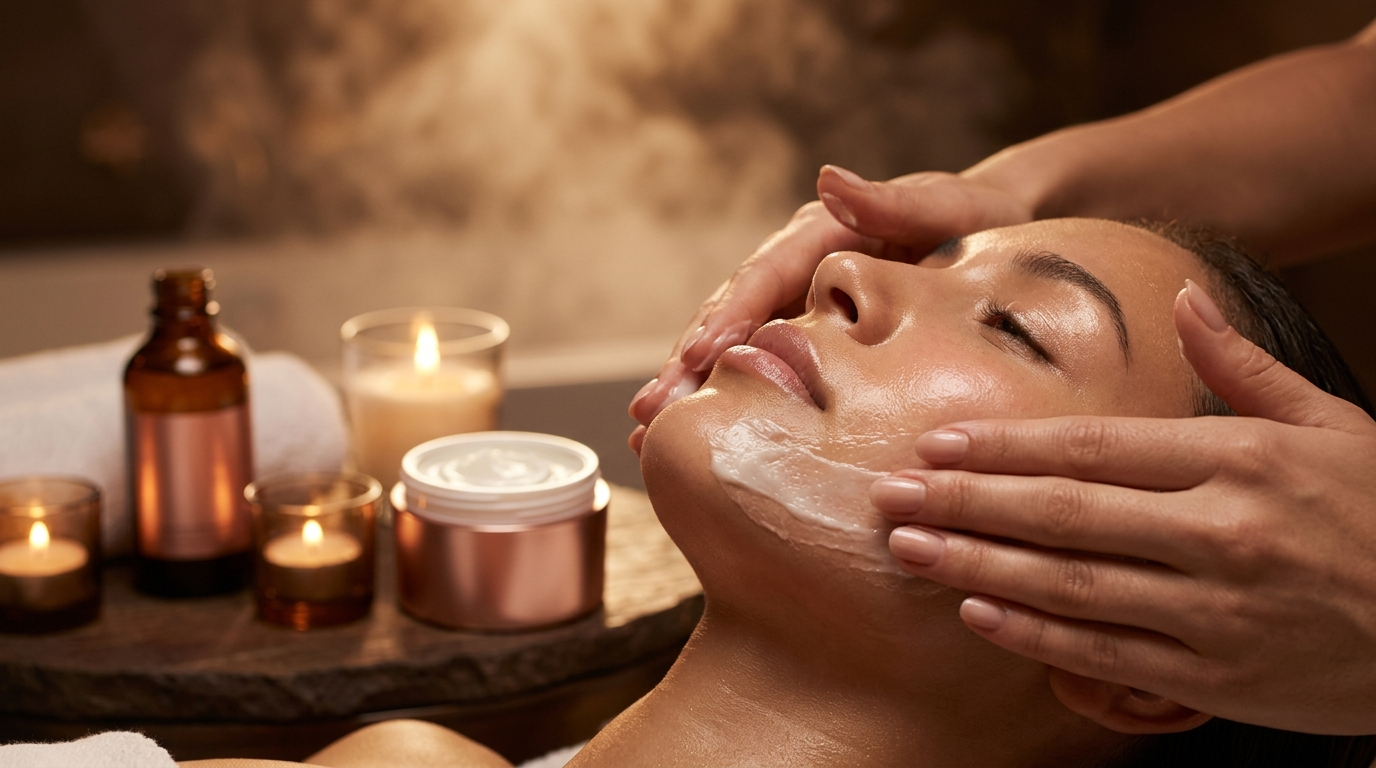
In our fast-paced world, moments of genuine calm are increasingly rare. The beauty industry has recognized this gap and is responding with products designed not just to improve your skin, but to improve your state of mind. The rise of sensory self-care in skincare represents a fundamental shift in why we use products. It is no longer purely about results. It is also about how the process makes us feel. For women over 35 juggling careers, family, and countless responsibilities, this shift could not come at a better time.
What Makes a Product Sensory?
A sensory skincare product engages multiple senses simultaneously. Texture, scent, temperature, and even sound all contribute to the experience. A cream that melts into a warm oil upon application, a cleanser with a calm lavender and chamomile fragrance, a face mist that cools and refreshes these are sensory formulations. They transform a mechanical act into an experience. The growing demand for sensorial synergy in products reflects a broader cultural shift toward mindfulness and intentional living. Women are no longer willing to sacrifice pleasure for efficacy, and increasingly, they do not have to.
The Science Behind Sensory Self-Care
There is real science behind why sensory experiences affect our skin. When you apply a product with a pleasant texture and calming scent, your brain releases neurotransmitters associated with relaxation and pleasure. This triggers a parasympathetic nervous system response, lowering cortisol levels and reducing inflammation. Lower cortisol means less collagen breakdown, less oil production driven by stress, and a stronger skin barrier. The sensory experience is not just a marketing gimmick it has measurable physiological effects on your skin. This is why a five-minute mindful skincare routine can be more effective than a fifteen-minute rushed one.
Products That Excel at Sensory Self-Care
Several product categories are leading the sensory self-care movement. Cleansing balms that transform from solid to oil to milk provide a multi-textural experience that makes cleansing feel like a treatment. Face mists with botanical extracts offer instant refreshment and can be used throughout the day as a quick stress reset. Mask treatments, particularly wash-off masks that you leave on for 10 to 15 minutes, create a designated period of stillness in your day. Night creams with warm, calming scents like sandalwood, vanilla, or chamomile help signal to your brain that it is time to rest.
How to Create Your Own Sensory Ritual
Creating a sensory skincare ritual does not require expensive products. Start by choosing one or two products that you genuinely enjoy using, products whose texture and scent you look forward to. Set aside five minutes in the morning and ten minutes in the evening for your routine without multitasking. Leave your phone in another room. Pay attention to how each product feels on your skin, how it smells, and how your skin changes as you apply it. Use gentle, intentional movements rather than rushed, aggressive ones. Over time, this practice becomes a powerful anchor in your day, a consistent moment of calm in an otherwise busy schedule.
The Long-Term Benefits of Mindful Skincare
The benefits of a sensory skincare routine compound over time. Consistent stress reduction through daily mindful practice lowers cumulative cortisol exposure, which protects collagen and supports skin barrier function. Improved product absorption from gentle, thorough application means you get more benefit from each product you use. And the emotional benefits of having a designated self-care practice improve your relationship with yourself, which shows in your complexion. When you approach skincare as self-care rather than a chore, you are not just treating your skin you are nurturing your entire wellbeing.
Written by Sarah Chen for March-8.