
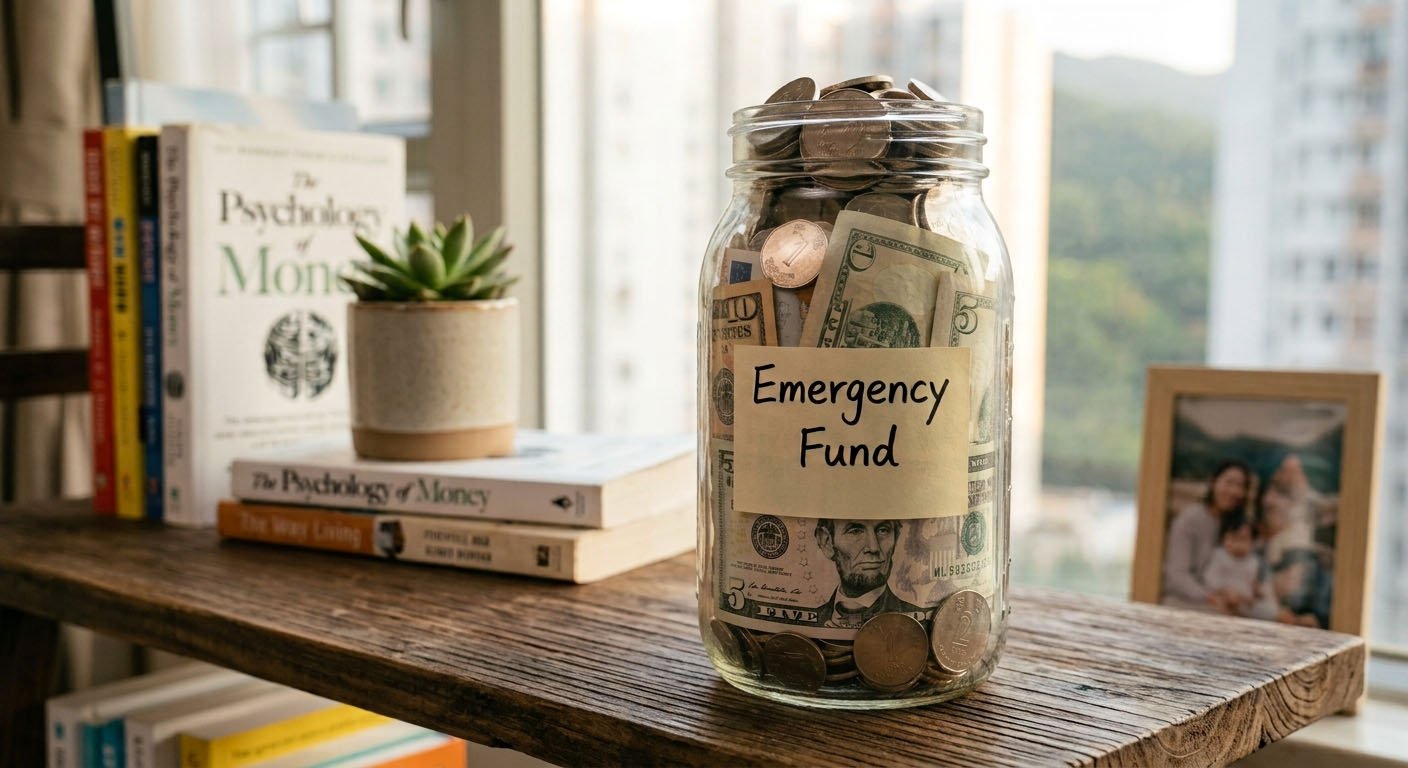
Why Every Woman Needs an Emergency Fund for Women
An emergency fund for women is more than a financial cushion — it is freedom and security. An emergency fund is the foundation of financial stability. It’s the money that catches you when life throws a curveball — and it will.
Building an emergency fund for women matters even more when you think about the unique financial challenges they face: longer lifespans, career breaks for caregiving, and a persistent gender pay gap. Start with a goal of $1,000. That’s enough to cover most small emergencies without reaching for a high-interest credit card.
How Much Should You Save
Build up to 3—6 months of essential expenses. If you run your own business or have an unstable income, aim for 6—9 months of coverage. According to the Consumer Financial Protection Bureau, having an emergency fund is the single most important step toward financial resilience.
Where to Keep It
Keep your emergency fund in a high-yield savings account, not in the stock market. It needs to be accessible and safe, not growing. Liquidity matters more than returns when it comes to emergency savings.
Automate It
Automate monthly contributions. Even $50 a week adds up to $2,600 a year. Small, consistent deposits build security faster than you think. For more financial guidance, read Why Women Need to Invest Differently (and Better).
Define What Counts
Knowing what counts as a true emergency is just as important as building the fund itself. A true emergency is something that threatens your basic security — job loss, medical emergency, urgent car repair needed for work, or a major home repair like a broken water heater. A sale at your favorite store, a spontaneous vacation, or new season wardrobe are not emergencies. Defining this boundary clearly prevents you from dipping into your fund for non-essentials and ensures the money is there when you truly need it.
Plan for the Predictable
Once you have built your emergency fund, resist the urge to stop there. Financial advisors recommend setting aside separate pots of money for predictable expenses like car maintenance, annual insurance premiums, and holiday gifts. This way, your emergency fund stays untouched for genuine crises while you remain prepared for life’s predictable costs. Over time, these habits create a financial safety net that gives you true peace of mind and the freedom to make choices based on what is best for you, not just what is financially necessary.
Refill It After You Use It
Rebuilding your emergency fund after you use it is just as important as building it in the first place. Life happens, and you will eventually need to tap into this fund. When you do, treat it as a priority to replenish before saving for other goals. Pause non-essential contributions to other savings targets and redirect that money back into your emergency fund until you fully restore it. This discipline protects you against life’s unexpected turns and never leaves you vulnerable when the next curveball arrives.
The Real Payoff
An emergency fund is not just about money — it is about independence. Having three to six months of expenses saved means you can leave a bad job, take time off for your health, or help a family member in crisis without financial devastation. That sense of security changes how you move through the world. You make decisions from a place of strength rather than scarcity, and that shift alone is worth every dollar you save.
Written by Maya Torres for March-8.