
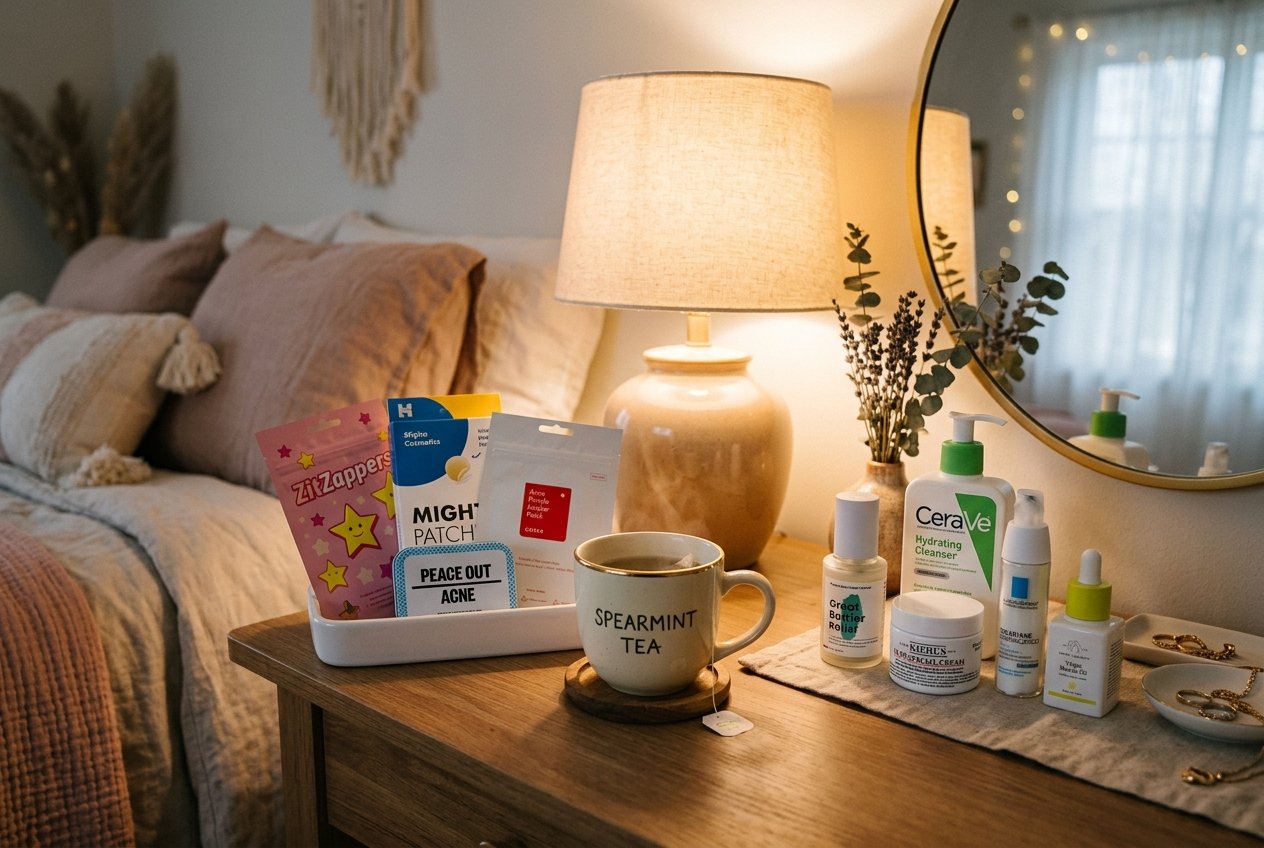
Adult acne after 35 is more common than you think. I thought breakouts were something you left behind in high school, but it hit me hard in my late thirties. Here is how I finally got my skin under control and the science behind why this happens.
Why Adult Acne After 35 Happens
Hormonal shifts during perimenopause cause fluctuations in estrogen and progesterone that trigger breakouts even if you never had them before. Understanding that this is hormonal helps you choose the right treatments instead of just attacking pimples. Stress also plays a major role elevated cortisol levels increase oil production and inflammation, leading to more breakouts. Combine hormonal changes with the daily stress of managing a career, family, and life and you have a recipe for adult acne.
The Routine That Worked for Me
The first thing I changed was my cleanser. I switched from harsh foaming cleansers that stripped my skin barrier to a gentle, non-comedogenic cream cleanser. Mature skin produces less oil and is more prone to irritation. The more you strip it, the more it compensates by producing more oil and more breakouts. Look for ingredients like niacinamide and ceramides that soothe the skin barrier while still cleansing effectively. Double cleansing at night with an oil-based cleanser followed by a cream cleanser helps dissolve makeup and sunscreen without irritation.
Why Retinoids Are Worth It
Retinoids are the gold standard for hormonal breakouts. They speed up cell turnover, prevent clogged pores, and stimulate collagen production. If you are dealing with breakouts after 35, start with a low-concentration retinol two to three times per week and build up gradually. Pair it with a great moisturizer because the purge period is real but temporary. The key is patience results take three to six months to become visible but the improvement in skin texture and breakouts is worth the wait.
Diet Changes That Helped
What I eat also affects my skin. Cutting back on dairy and sugar made a noticeable difference in my breakouts. Try eliminating dairy for two weeks and see if it helps. Increasing your intake of omega-3 fatty acids from sources like salmon and walnuts can also reduce inflammation. Managing adult acne after 35 often requires patience, but clear skin is achievable with a consistent routine and attention to what your body needs.
The AAD explains why adult acne happens and how to treat it.
Hormonal fluctuations are the primary driver of adult acne after 35, and understanding your triggers is the first step toward clear skin. Perimenopause, which can begin in your mid-30s, causes estrogen levels to decline while testosterone remains relatively stable, leading to increased sebum production and clogged pores. Stress is another major factor — elevated cortisol triggers inflammation and excess oil production, creating the perfect environment for breakouts. Diet can also play a significant role, with high-glycemic foods and dairy products known to exacerbate acne in some women. Keeping a skin diary to track breakouts against your menstrual cycle, stress levels, and diet can help you identify your personal triggers and adjust your skincare routine accordingly.
Building an effective anti-acne routine after 35 requires a gentler approach than the harsh treatments often used in teenage years, as mature skin is more prone to dryness and irritation. Non-comedogenic, oil-free products are essential, but they should also include hydrating ingredients like hyaluronic acid and ceramides to maintain the skin barrier. Look for cleansers with salicylic acid or gentle benzoyl peroxide, but limit use to avoid over-drying. Retinoids are particularly effective for adult acne because they normalize cell turnover and prevent clogged pores while also addressing aging concerns. Niacinamide is another excellent option — it reduces inflammation, regulates oil production, and strengthens the skin barrier without irritation. If over-the-counter options aren’t delivering results after 12 weeks, it’s worth consulting a dermatologist who can prescribe treatments like spironolactone, which directly targets hormonal acne by blocking androgen receptors.
You May Also Like
Written by Sarah Chen for March-8.