
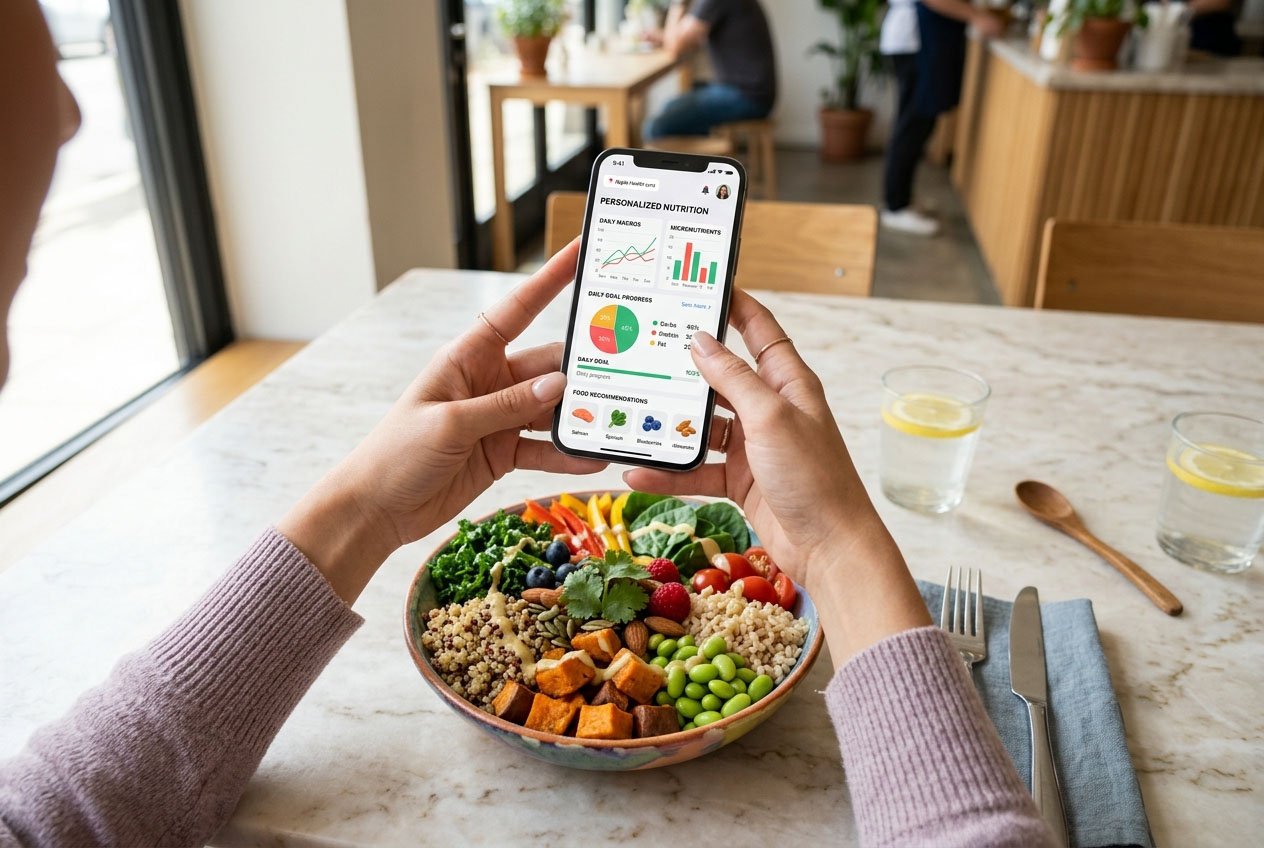
Precision nutrition for women is the new standard in 2026. The reason is simple: the “one perfect diet” does not exist. If you’ve tried it and watched it fail — despite following every rule — you’re not doing it wrong. Nutrition science has finally moved past one-size-fits-all advice. The shift has been particularly meaningful for women, because your body is different from everyone else’s.
Your hormones, your gut bacteria, your life stage, and even your genetics influence how you respond to food. Precision nutrition is the practice of tailoring what you eat to those factors. The results are changing how women approach their health.
What Is Precision Nutrition?
Precision nutrition (sometimes called personalized nutrition) designs dietary recommendations based on individual data. That includes biomarkers, gut microbiome composition, genetic variants, lifestyle, and life stage. Instead of telling everyone to eat the same ratio of carbs to protein, it asks what works for you.
This isn’t vague wellness marketing. The approach is built on a growing body of research. Major studies funded by the National Institutes of Health show that individuals respond to identical meals very differently. Blood sugar responses vary widely even among healthy people eating the same food.
The practical implication is enormous: the “best diet” isn’t a universal object. It’s a personalized answer that depends on who you are and where you are in your life. It also depends on how your unique body responds.
Why Women Need Personalized Nutrition
Women’s nutritional needs change dramatically across life stages in ways that generic advice simply doesn’t account for. Iron needs rise and fall with menstruation. Folate requirements change in pregnancy. Protein and calcium needs climb in perimenopause to protect muscle and bone.
Hormones also influence metabolism. Estrogen and progesterone affect insulin sensitivity, appetite, and even body temperature regulation. The same diet can produce different results at different points in your cycle. After 35, when hormones begin shifting again, “what always worked before” may stop working. Not because you’re failing, but because your needs have changed.
This is the experience so many women describe: “I eat the same as I always did, but I can’t lose weight anymore.” The precision nutrition answer is simple. The same food can do different things in a changing hormonal landscape. The problem isn’t your willpower; it’s your assumptions.
The Three Pillars: Hormones, Gut, and Immunity
Personalized nutrition plans for women now heavily target three interconnected systems: hormonal balance, gut health, and immune support.
- Hormones — eating enough protein and healthy fats supports hormone production, while fiber helps the body clear excess estrogen. Blood sugar stability matters too, because insulin is a major hormonal regulator.
- Gut health — the gut microbiome influences nutrient absorption, inflammation, and even mood. If your digestion has changed after 35, that’s a signal worth listening to — our guide to digestion changes explains why.
- Immunity — micronutrients like vitamin D, zinc, and omega-3s support immune function, and needs can shift with age and stress.
These pillars overlap. Improve gut health and hormonal balance improves. Balance hormones and sleep improves. Precision nutrition is about addressing the system, not isolated symptoms.
This systems approach is also why crash diets fail. They treat food as calories. But food is actually information — information that shapes hormones, gut bacteria, inflammation, and gene expression. Change the information, and you change the outcomes.
How to Get Started with Precision Nutrition
You don’t need a $500 genetic test to begin. Start with these practical steps. Track how different meals affect your energy and digestion for two weeks. Check your blood sugar response if you can — a continuous glucose monitor makes this visible. Get a basic blood panel including vitamin D, iron, and thyroid markers. And notice how you feel around your cycle.
Then adjust one variable at a time. If you’re tired in the afternoons, test whether a protein-forward lunch changes things. If digestion is an issue, add fermented foods. Each experiment gives you data about your unique body.
Keep a simple journal during this process. Not a calorie log — a response log. What you ate, how you felt two hours later, how you slept that night, and how your energy was the next morning. Within weeks, patterns will emerge that no generic diet plan could have predicted.
The Future of Precision Nutrition
The next wave of precision nutrition will combine microbiome sequencing, continuous glucose monitoring, and AI. The goal: real-time, personalized food recommendations. For women, this matters most during hormonal transitions, when needs shift quickly. The tools are already arriving, bringing the same AI-driven precision that now powers modern health wearables.
Precision nutrition for women isn’t a trend to chase; it’s a mindset. It replaces shame and guesswork with curiosity and data. Instead of asking “what should I eat?”, you start asking “what does my body need right now?” The answers will serve you better at every stage of your life.
Written by Nina Patel for March-8.
Thanks very ineresting blog! auroravpn