
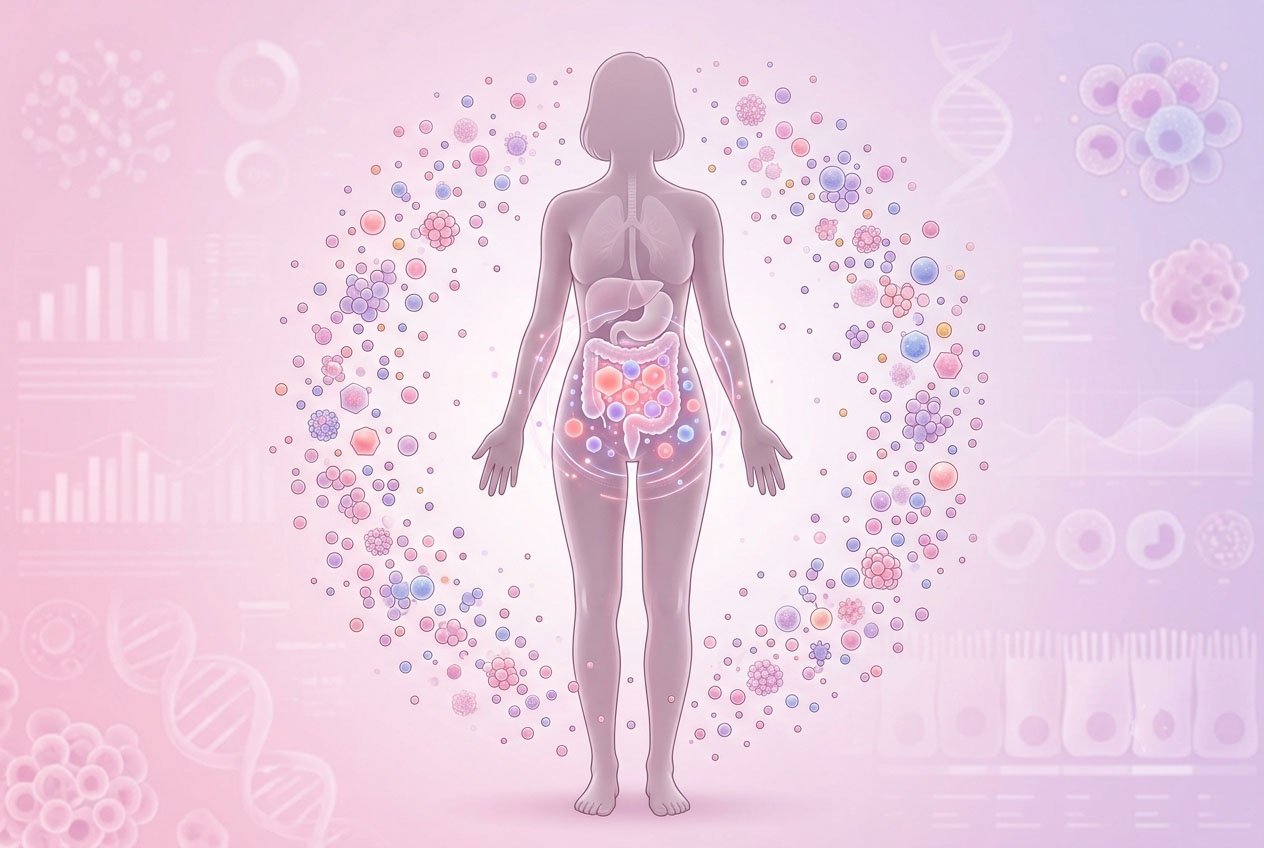
You’ve probably heard about the gut microbiome — the trillions of bacteria living in your digestive tract. But in 2026, the vaginal microbiome is the ecosystem researchers are most excited about. And for women’s health, it may matter more than you realize.
Your vaginal microbiome is a community of microorganisms that lives in your vaginal tract. It plays a central role in your reproductive, urinary, and even systemic health. Understanding it is one of the most empowering steps you can take for your body.
What Is the Vaginal Microbiome?
In a healthy state, Lactobacillus species dominate the vaginal microbiome, producing lactic acid and hydrogen peroxide. These keep the vaginal environment acidic (around pH 3.8–4.5), which is hostile to harmful pathogens. This acid barrier is the first line of defense against infections like bacterial vaginosis, yeast infections, and sexually transmitted infections.
When Lactobacillus levels drop and diversity increases, the pH rises, and the ecosystem becomes more vulnerable. The result is often itching, unusual discharge, or odor. In some cases, there are no symptoms at all while the balance quietly shifts. That’s why the microbiome can slip out of balance long before you notice anything.
Why a Healthy Vaginal Microbiome Matters
A healthy vaginal microbiome now serves as a key shield against infections. It’s a cornerstone of overall reproductive and even systemic health. Research supported by the National Institutes of Health has linked the vaginal microbiome to pregnancy outcomes and fertility. It’s also a factor in the risk of complications like preterm birth.
There’s also growing evidence of a connection to urinary health. Many recurrent urinary tract infections start with a shift in the vaginal ecosystem. When the vaginal barrier is strong, it protects the urethra and bladder too.
Researchers are even exploring links between the vaginal microbiome and broader health outcomes, from gynecological conditions to inflammatory markers. The ecosystem you carry in your body does not sit in isolation — it talks to your immune system constantly.
What Disrupts Your Vaginal Microbiome?
- Antibiotics — they wipe out beneficial bacteria along with harmful ones.
- Scented products — fragranced soaps, sprays, and wipes can disrupt the natural pH.
- Douching — the practice raises infection risk, and gynecologists generally discourage it.
- Hormonal changes — estrogen supports Lactobacillus growth, so drops in estrogen affect the ecosystem.
- High stress and poor sleep — the microbiome responds to your overall physiological state.
Some of these factors are within your control, and small changes can have a measurable impact. The same gut-health principles we discuss in our digestion guide also support the microbiome more broadly. Think fiber, fermented foods, and less processed food. If your digestion has shifted after 35, the gut-vaginal connection is worth exploring with a healthcare provider.
Even your underwear choices matter more than you’d think. Tight synthetic fabrics trap heat and moisture, which favors less desirable bacteria. Choosing breathable cotton or moisture-wicking materials is one of the simplest microbiome-supporting habits. Change out of workout clothes promptly, too.
When to See a Professional
While many microbiome shifts are temporary and respond to simple changes, some symptoms warrant a medical visit. You should never self-treat recurrent infections, persistent odor, unusual discharge, pain, or bleeding with over-the-counter remedies alone. Recurrent issues especially deserve investigation, because they often point to an underlying imbalance that needs targeted care.
Recurrent infections are a signal, not a sentence. In many cases, a provider can help identify triggers — a particular product, a medication, a hormonal stage. They can design a protocol that restores balance rather than treating symptoms episode by episode.
The Life-Stage Connection: From Menstruation to Menopause
The vaginal microbiome changes across a woman’s life. Menstruation temporarily shifts pH and bacterial composition. Pregnancy increases Lactobacillus dominance. And perimenopause and menopause — as estrogen declines — can lead to lower Lactobacillus and higher diversity. That shift raises the risk of infection, dryness, and discomfort.
Understanding these shifts helps you interpret symptoms differently at each stage. It also explains why products designed “for women over 40” or “for menopause” exist at all. The ecosystem genuinely changes with hormonal status.
This is also why healthcare providers increasingly ask about vaginal health during menopause discussions. Dryness isn’t just a comfort issue; it’s a signal that the ecosystem is changing. Addressing it can prevent secondary problems like recurrent infections.
How to Support Your Vaginal Microbiome Daily
Supporting your vaginal microbiome is mostly about not disrupting it. Wash with plain water or gentle, unscented, pH-balanced cleansers. Wear breathable cotton underwear and avoid staying in damp clothing. Manage stress — chronic stress affects every system, including this one. And ask your doctor about probiotics, particularly strains like Lactobacillus rhamnosus and Lactobacillus reuteri, if you’ve struggled with recurrent infections.
Your microbiome is a reflection of your overall health. When you eat well, sleep well, and manage stress, you’re supporting every ecosystem in your body. That includes the one that protects your reproductive health.
Written by Nina Patel for March-8.